Faro Monumental de La Serena
⭐ 4.2(25,923) · 25,923 reviews

Faro Monumental de La Serena

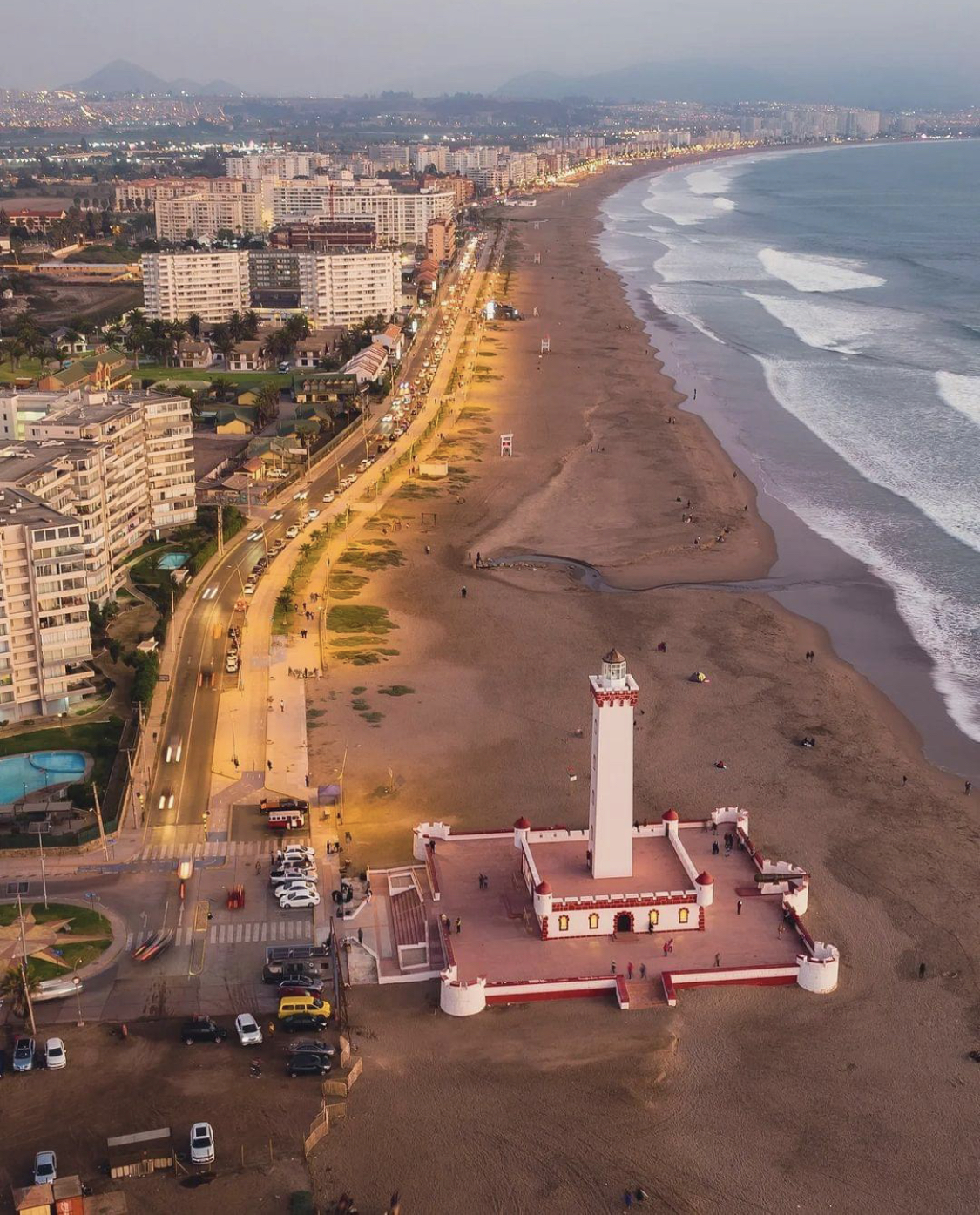
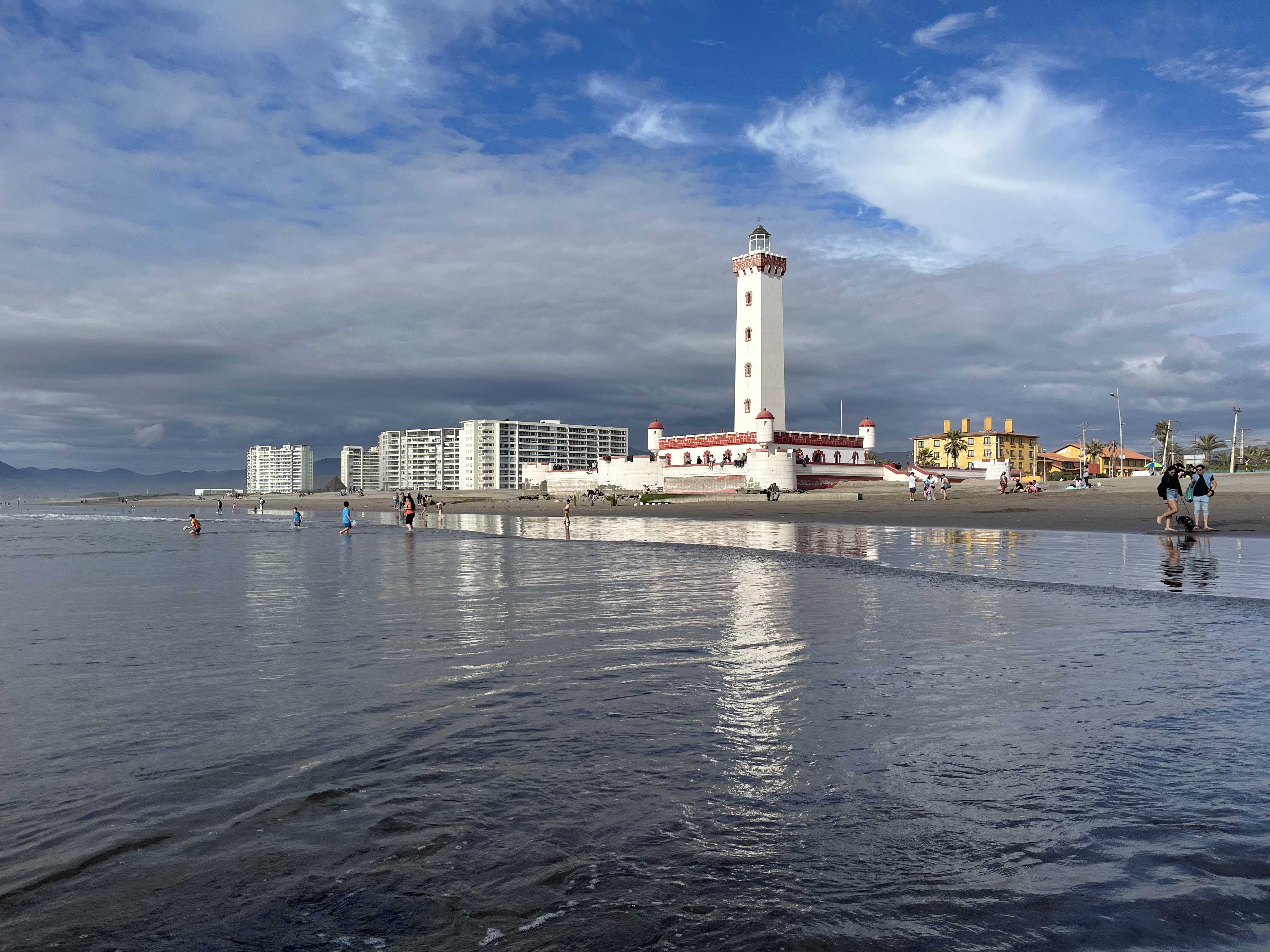
A neocolonial lighthouse-monument built by the Chilean Navy between 1950 and 1951 — a viewpoint and symbol of La Serena facing the Pacific.

🕒 Tue–Sun 10:00–14:00 and 14:30–17:00 · Mon closed

Discover the Faro Monumental de La Serena

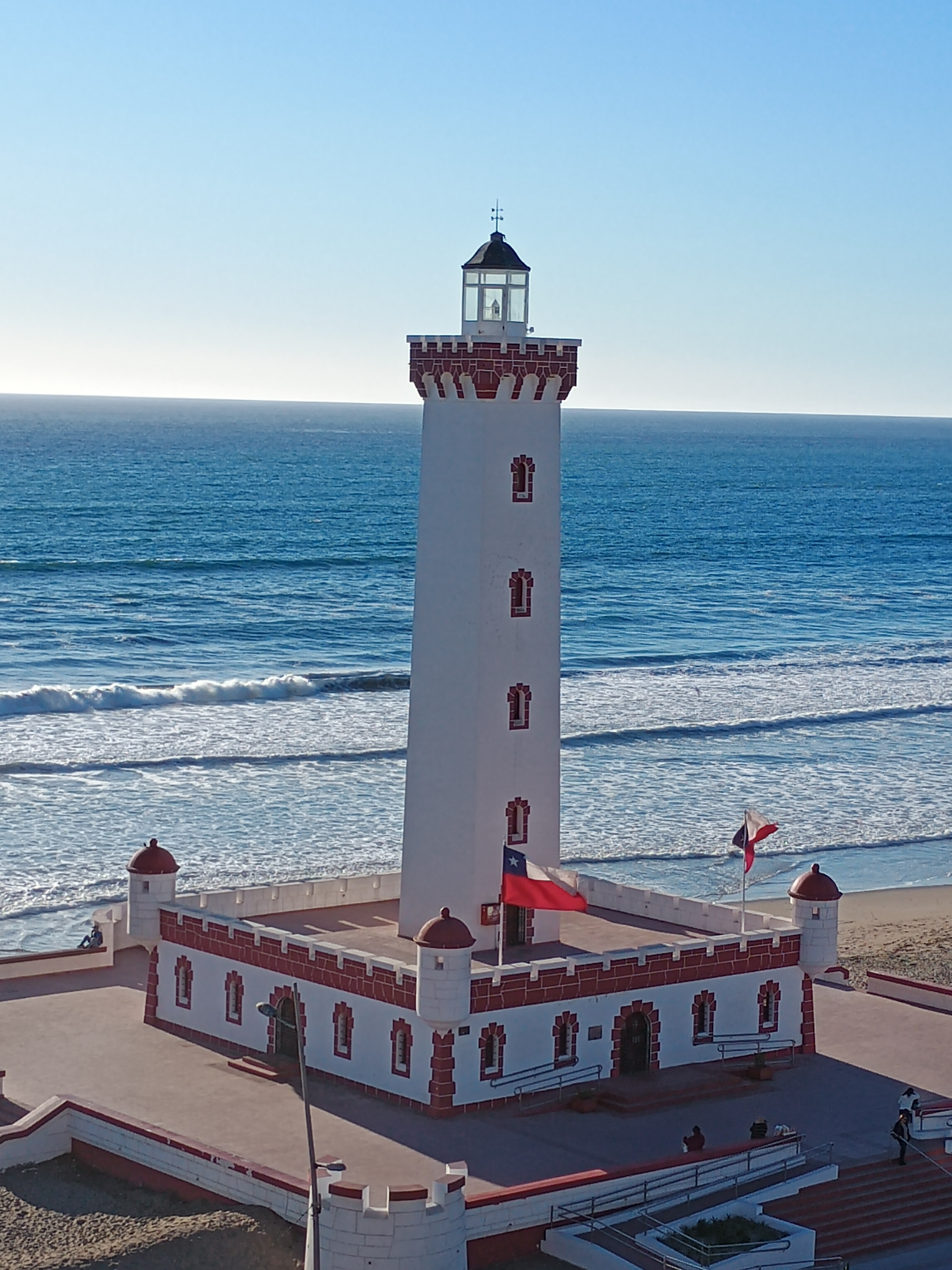
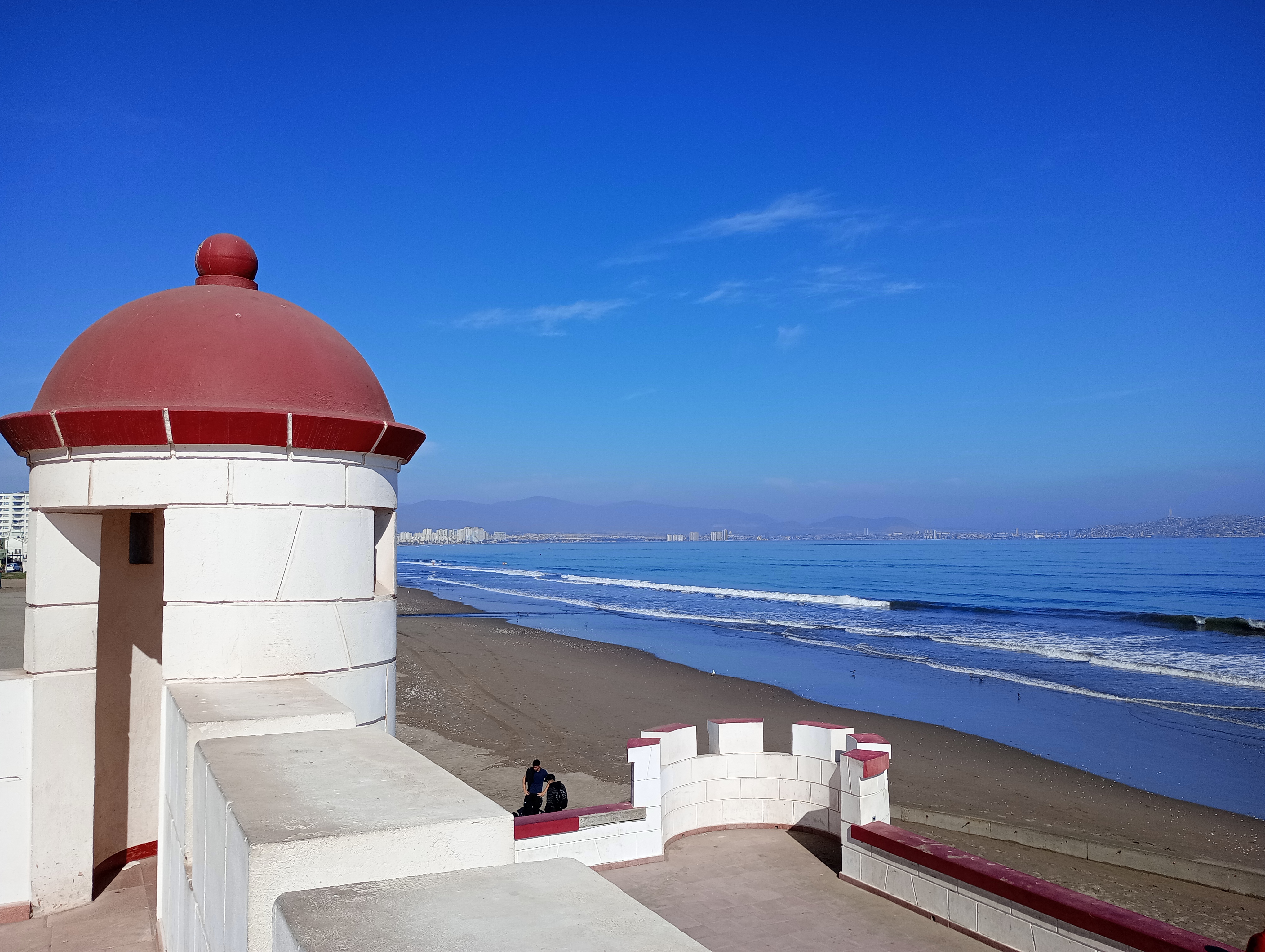
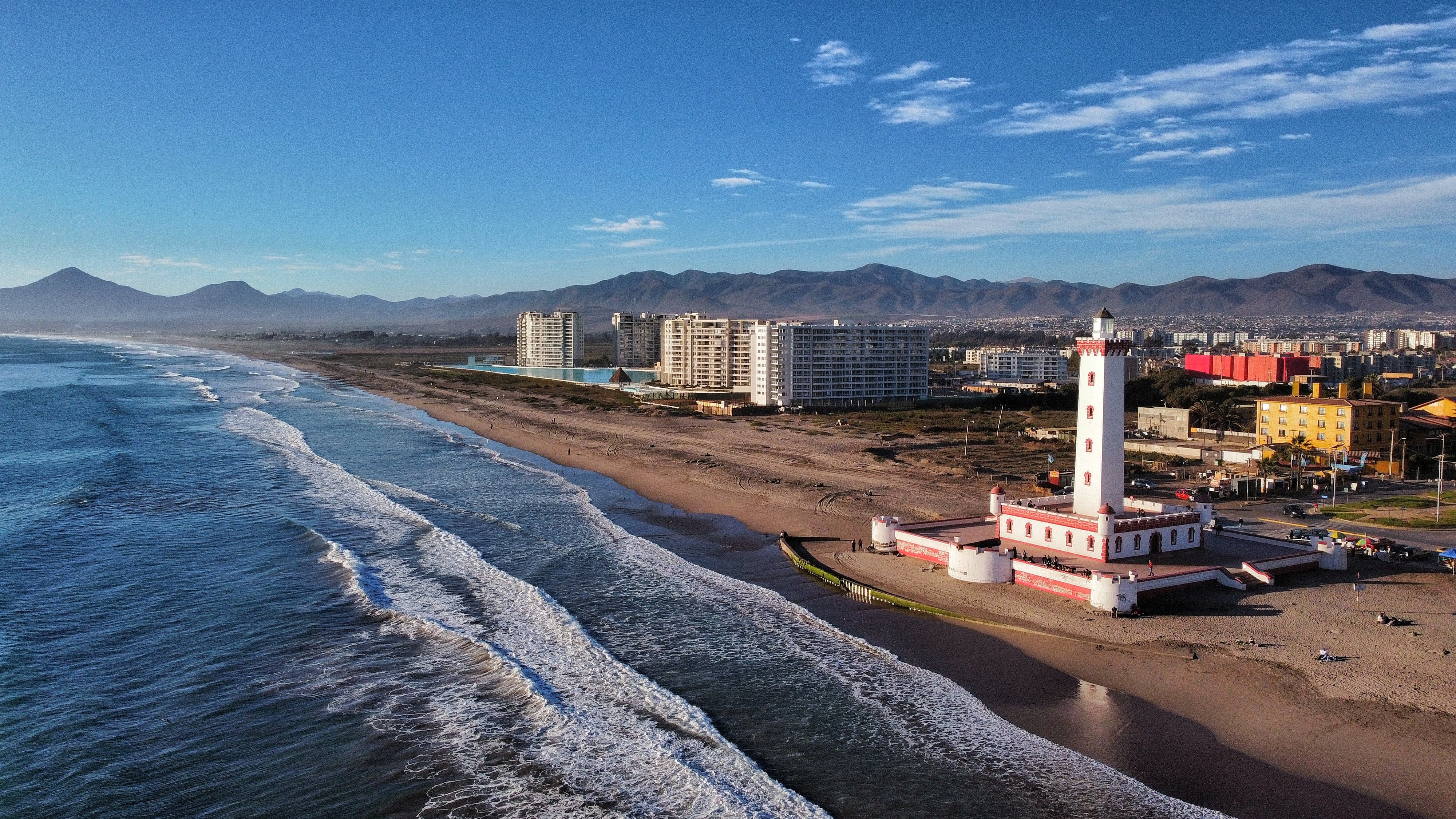
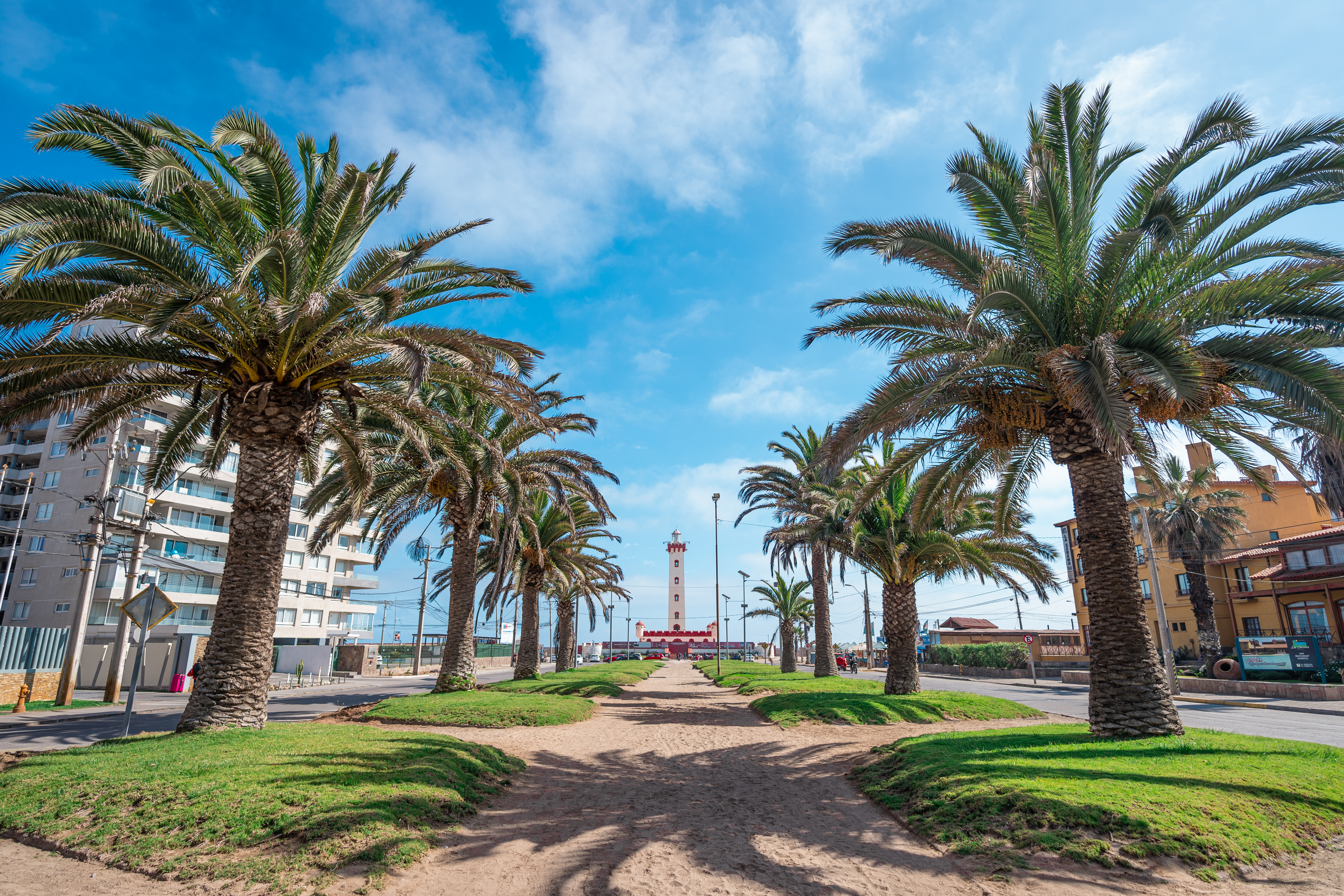
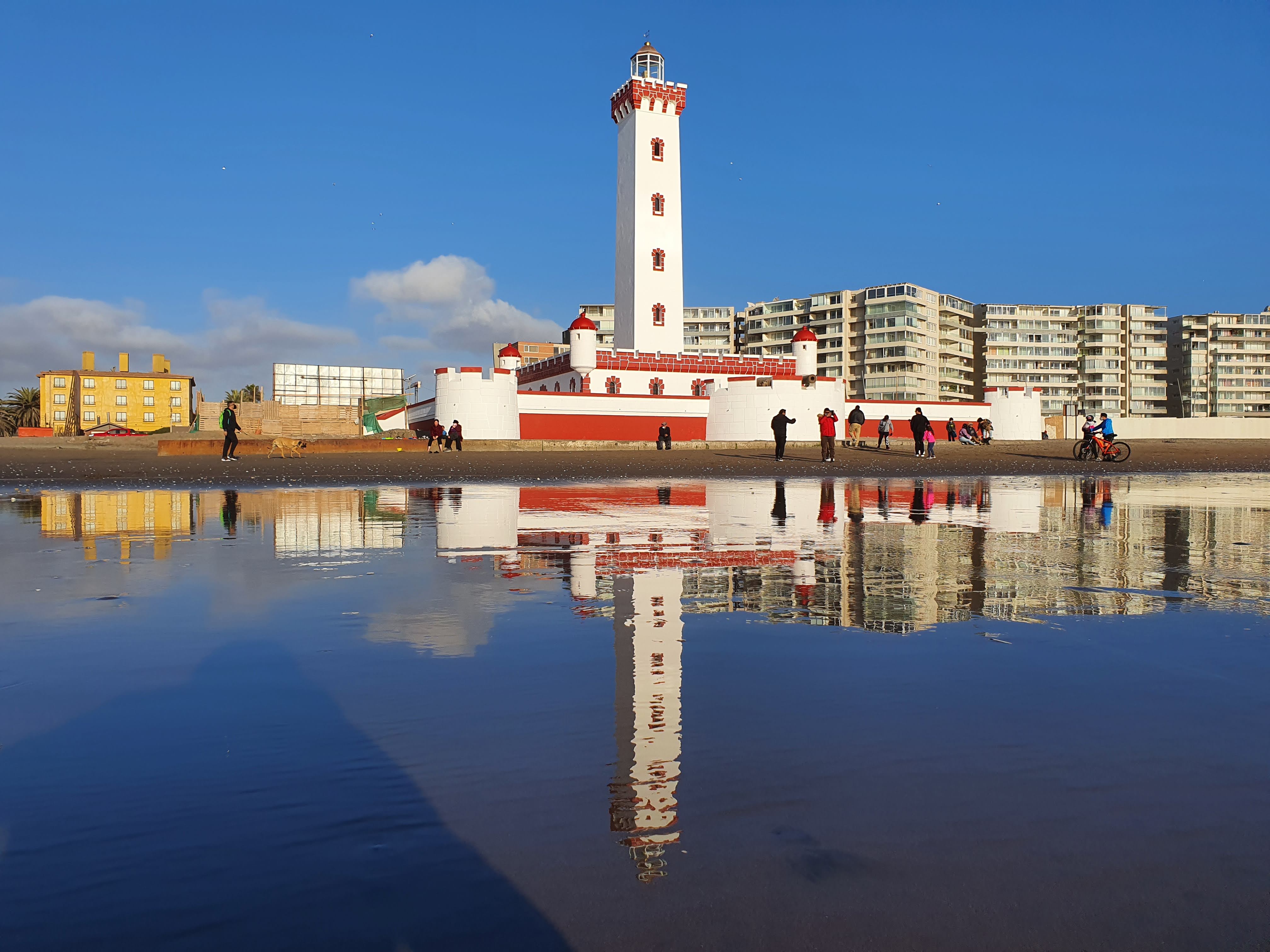
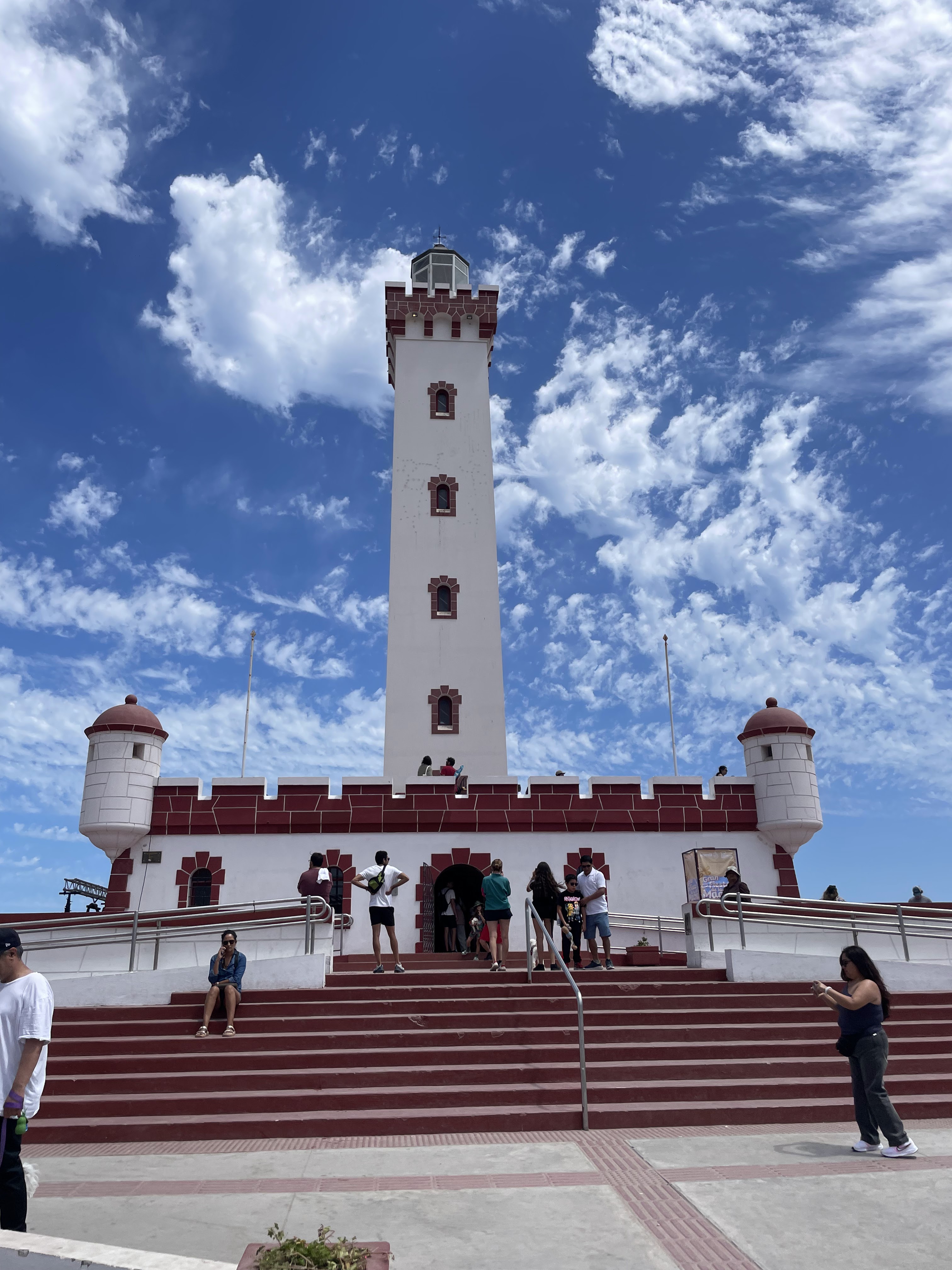
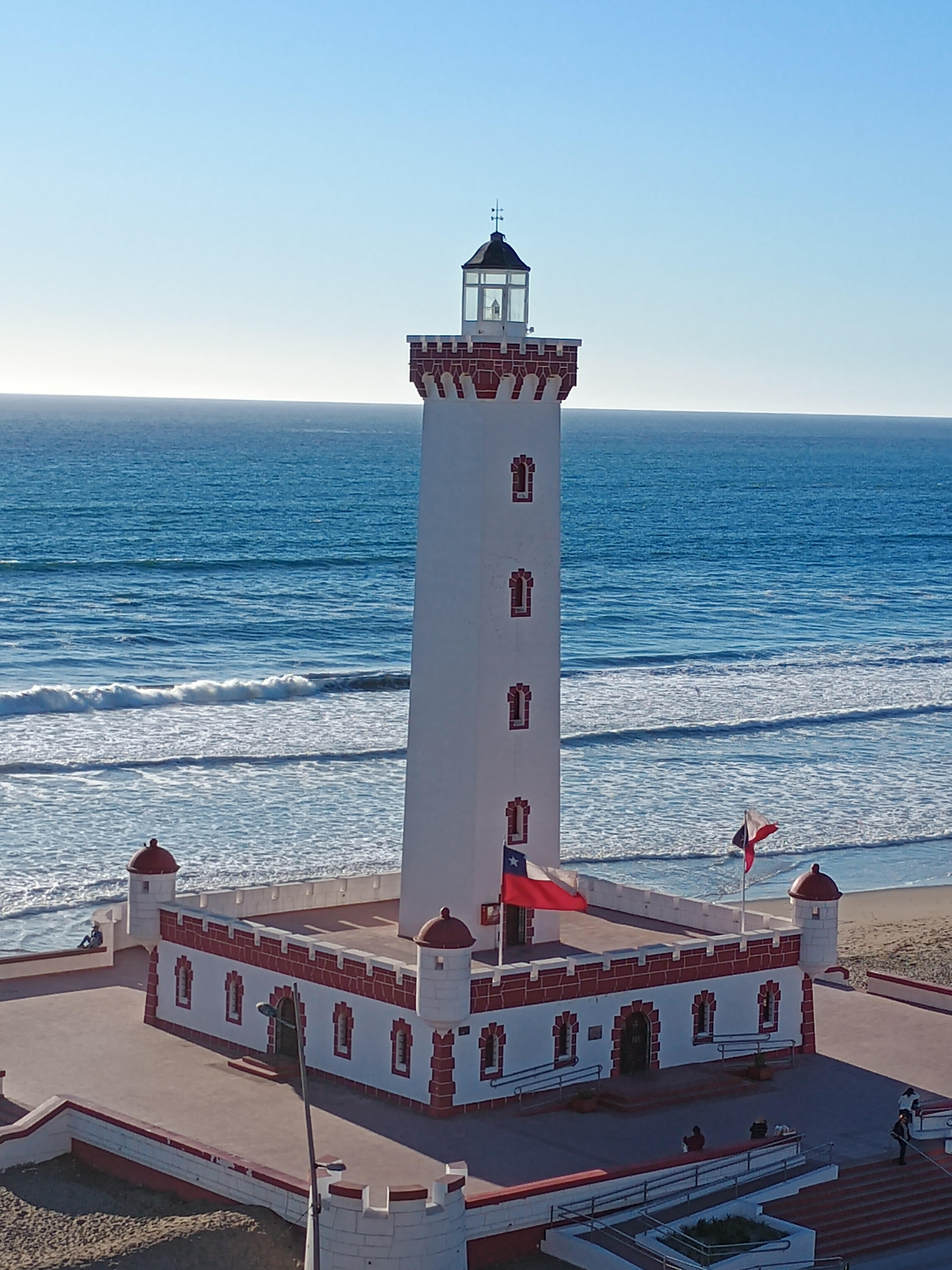
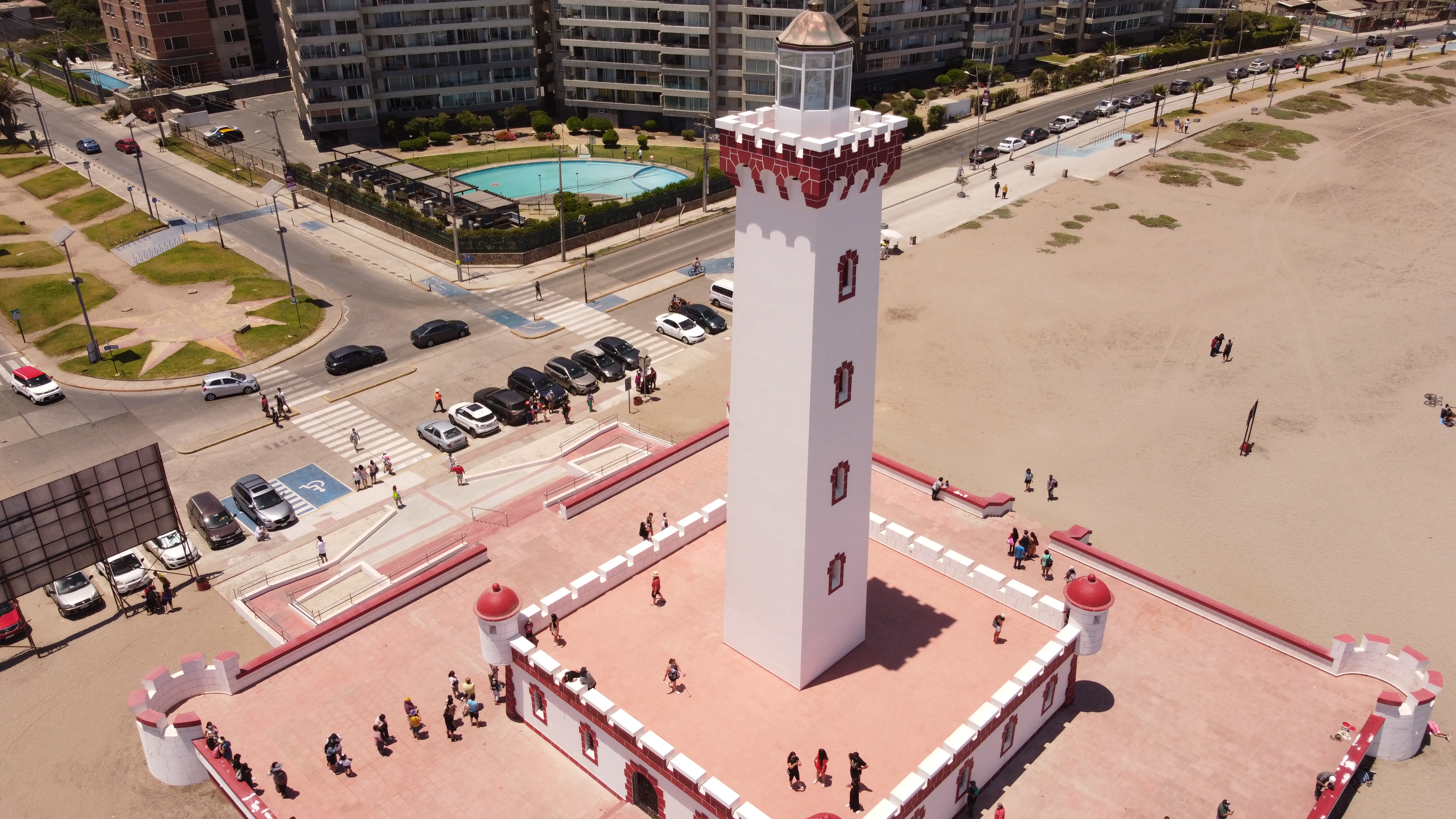
The Faro Monumental de La Serena is a neocolonial tower built by the Chilean Navy between 1950 and 1951, following the design of engineer Jorge Cisternas Larenas, within the framework of the Plan Serena promoted by President Gabriel González Videla. Around 28 metres tall and 4 metres in diameter at its base, it blends the silhouette of a lighthouse with that of a colonial fortress. It was declared a National Historic Monument of Chile on 9 June 2010 for its architectural value. Today it is one of the most photographed icons of La Serena and a public viewpoint over the Pacific Ocean.

About the Lighthouse

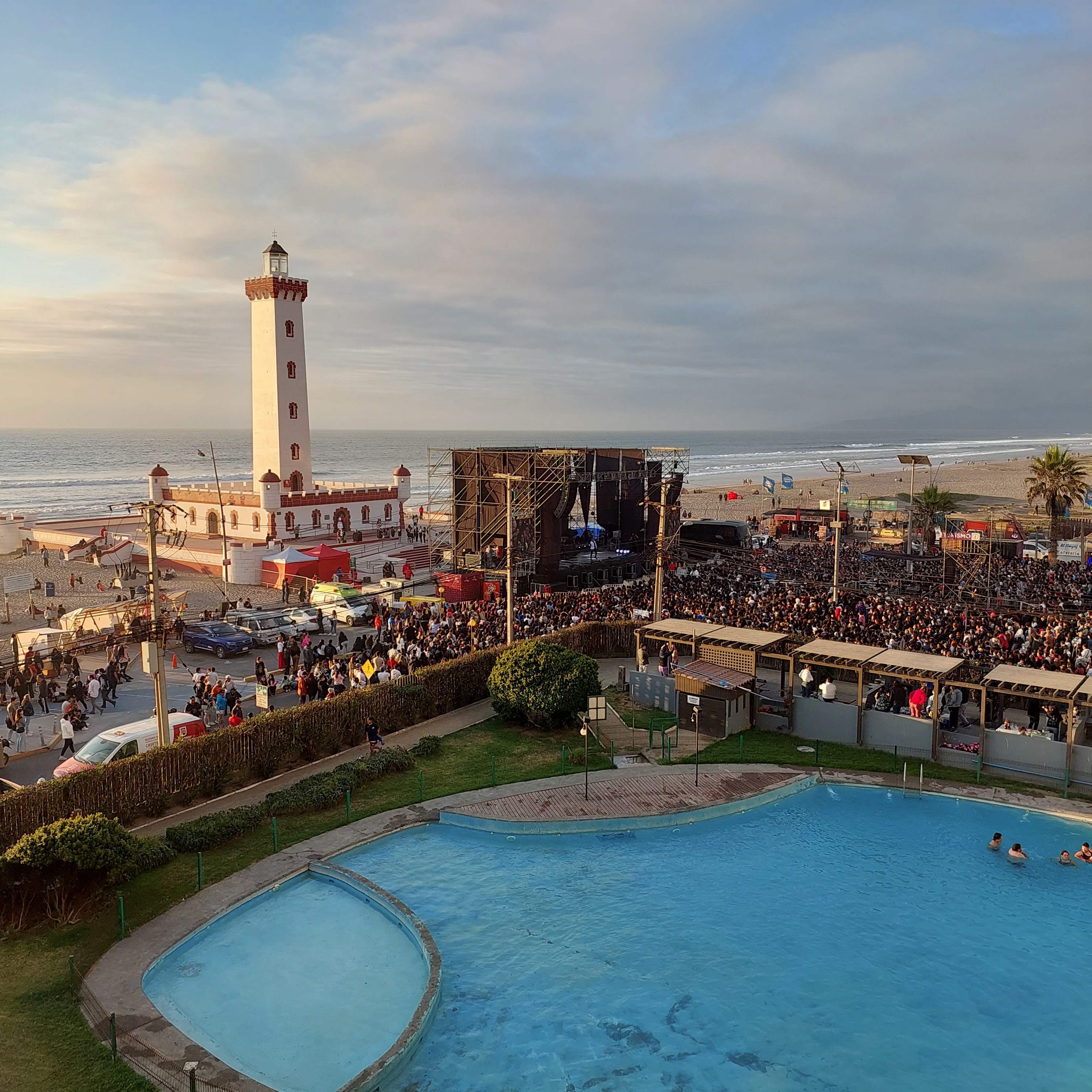
The Faro Monumental de La Serena was built by the Chilean Navy and handed over to the Municipality of La Serena on 7 November 1985 for tourist and cultural use. It is one of the landmarks of the Plan Serena, the 1950s urban renewal that gave the city its unified neocolonial image. Today the tower still serves as a navigation aid, while the grounds function as a viewpoint, a small museum and a civic meeting point facing the Pacific.

Visitor Guide

  • Open Tuesday to Sunday in two blocks: 10:00–14:00 and 14:30–17:00; closed on Mondays.
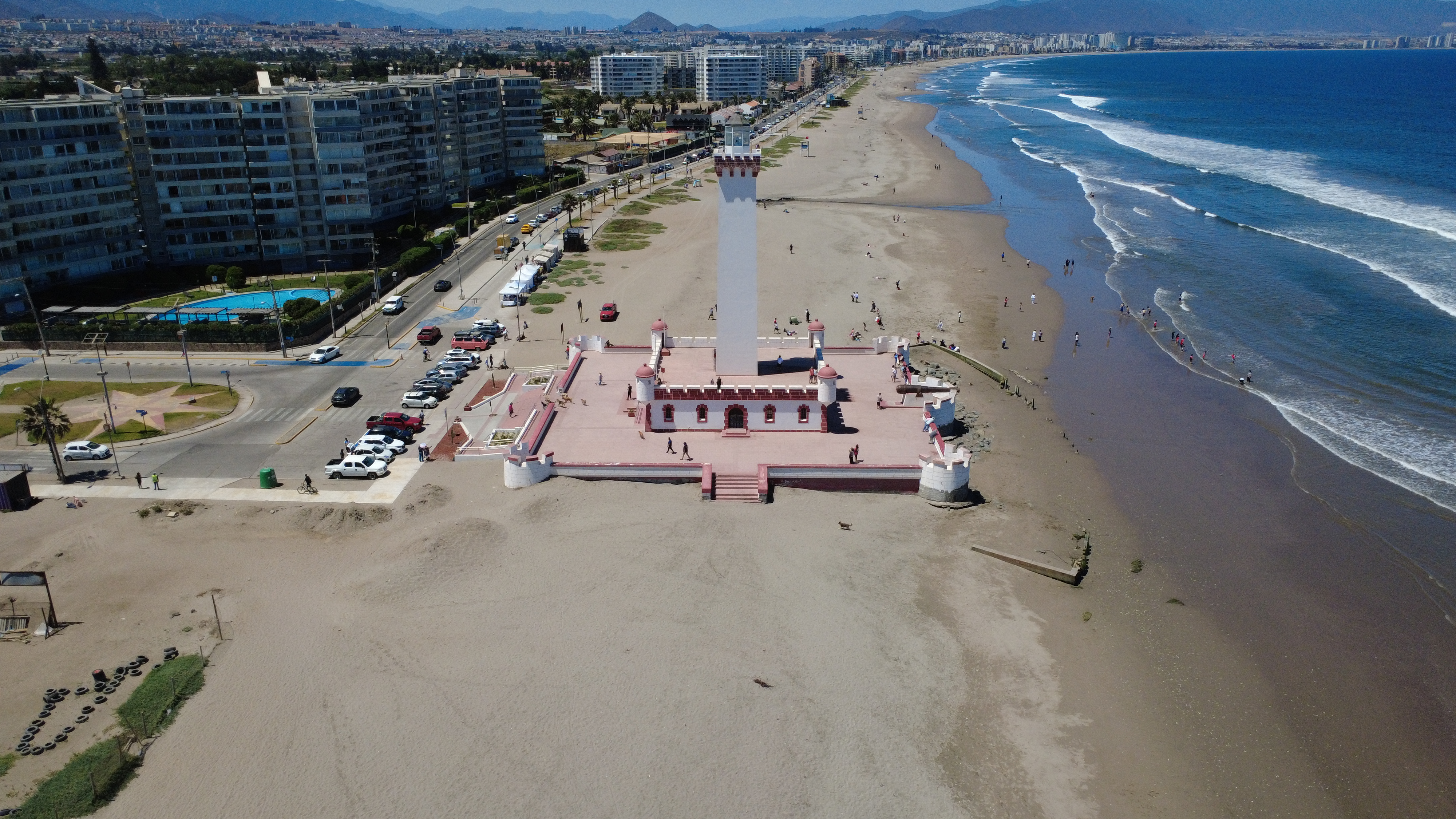
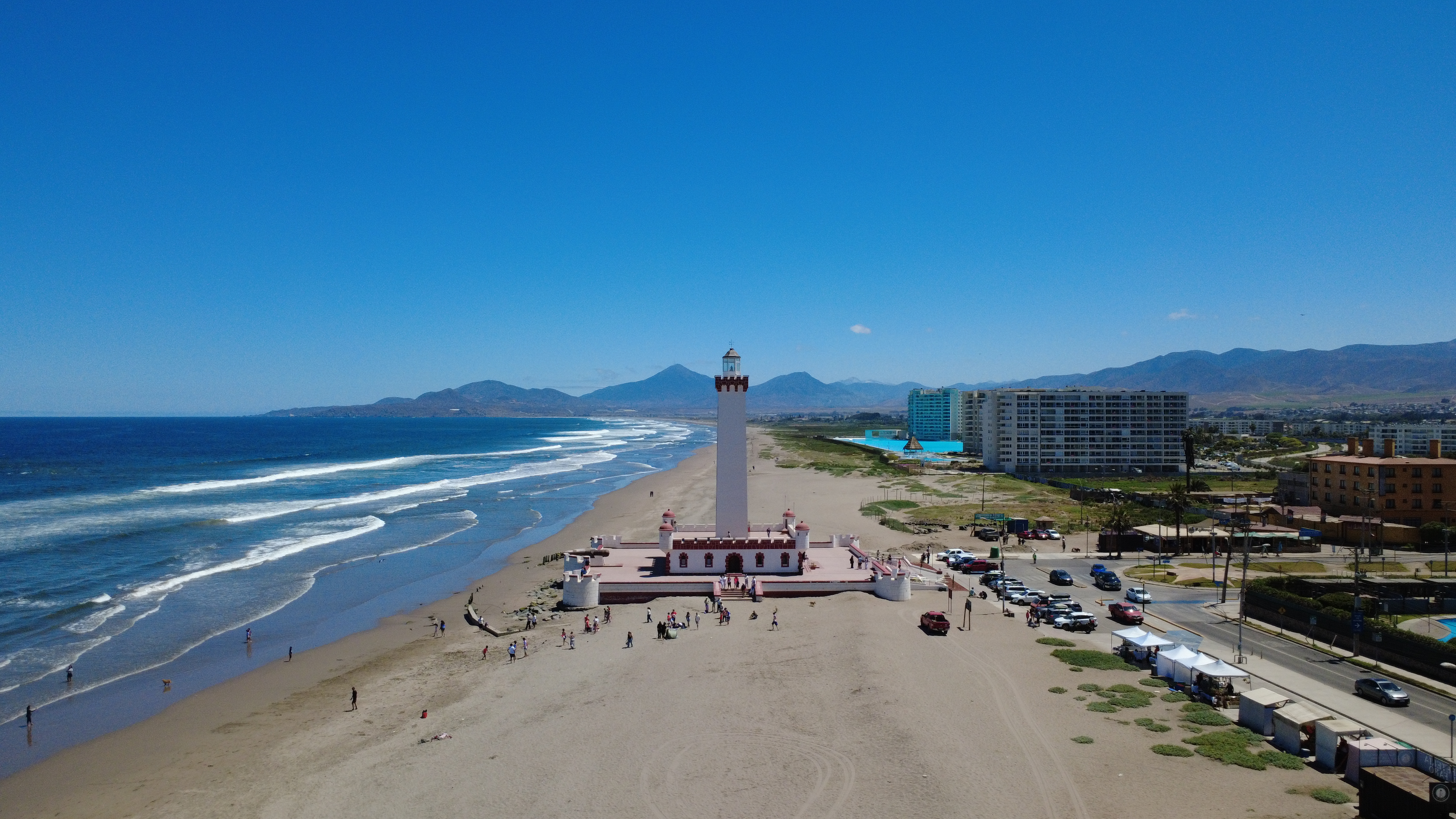
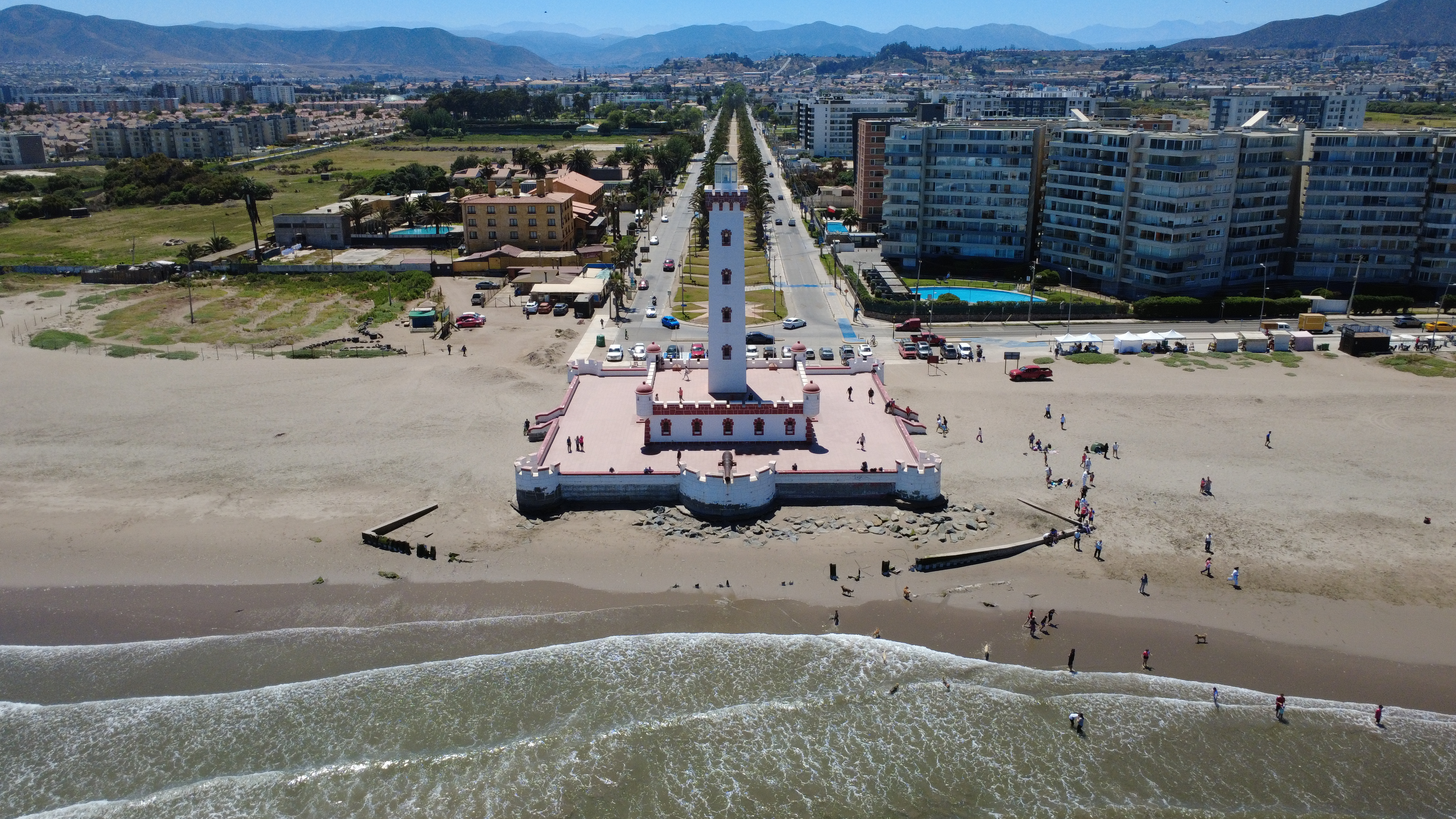
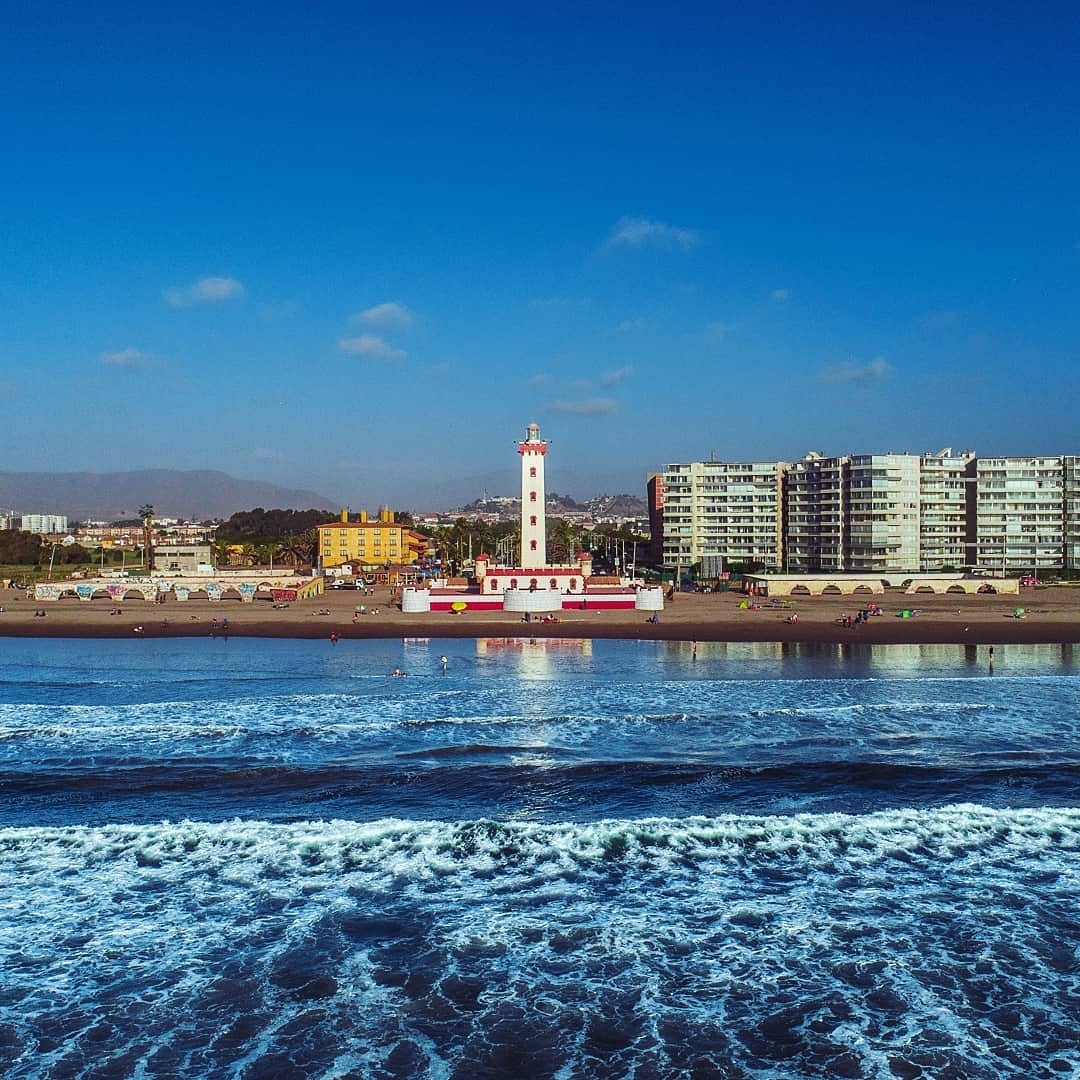
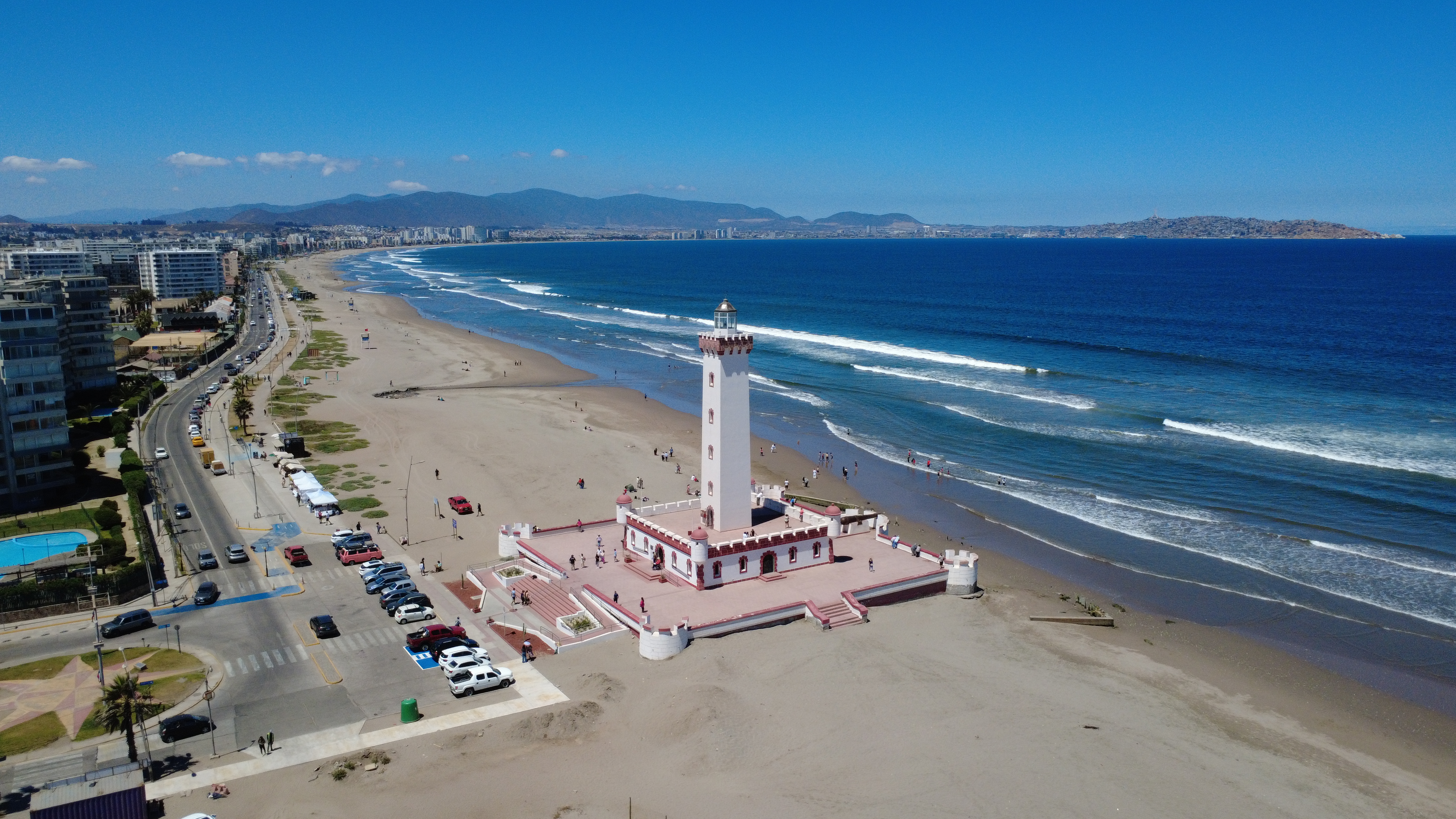
  • Located on Avenida del Mar at Avenida Francisco de Aguirre, facing the beach of La Serena.
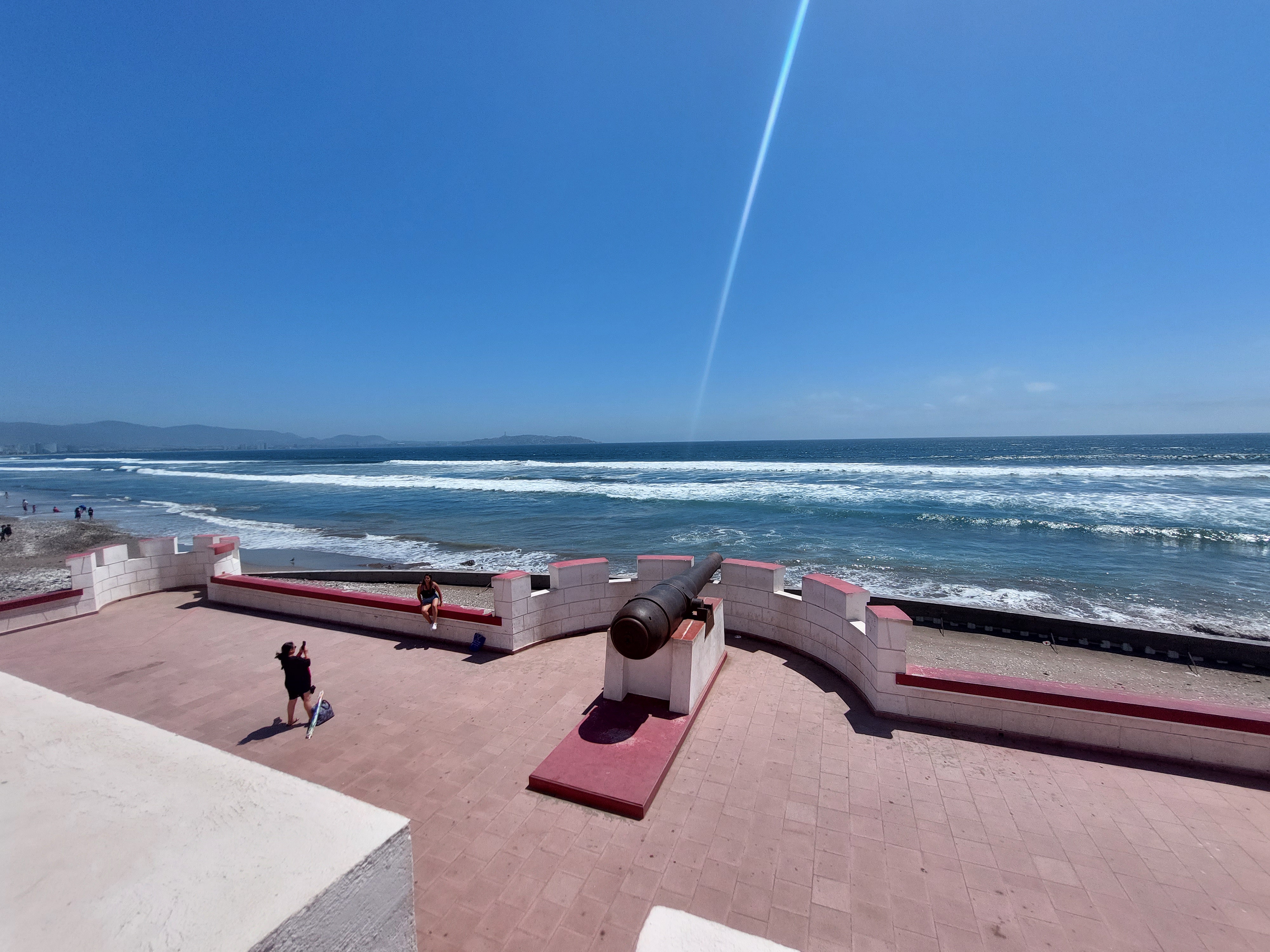
  • Climb to the viewpoint for views of the Pacific coast and the mouth of the Elqui River.
  • The grounds, the small museum and the craft fair at the base are usually free or very low cost.

Highlights

  • Lighthouse built by the Chilean Navy between 1950 and 1951
  • Neocolonial style imitating a Spanish fortress
  • About 28 m tall and a National Monument since 2010
  • Viewpoint and symbol of La Serena facing the Pacific

How to Reach the Faro Monumental

From arriving in La Serena by plane, bus or car to the final stretch along Avenida del Mar, here are the most common ways to reach the Faro Monumental.

Start with where you are coming from

La Serena lies in northern Chile, about 470 km from Santiago along Route 5 Norte (the Pan-American Highway). If you are coming from afar, the usual pattern is to fly into La Florida Airport or take a long-distance bus; from there, the lighthouse is just a few minutes away by car, taxi or public transport along the seafront avenue. For most visitors, the Faro is an urban destination reached by a short final transfer.

Know this before you set out

  • The lighthouse sits on Avenida del Mar, La Serena's coastal artery, facing the beach.
  • The airport, the bus terminal and the city centre are relatively close and well connected.
  • In the summer season (January–February) and on weekends it is busier; mornings and late afternoons are usually calmer.
01

Option 01

Air Travel

The main air gateway is La Serena Airport (La Florida, LSC), with regular flights from Santiago and other Chilean cities.

  • -From Santiago the flight takes about 1 hour with LATAM, Sky Airline or JetSmart.
  • -From the airport to the lighthouse it is about 15–20 minutes by taxi or transfer; urban buses and colectivos also run this way.
  • -The lighthouse is not an airport-to-door attraction; the flight is just the first leg of the trip.
02

Option 02

Train

Rail is not currently a practical way to reach La Serena: Chile has no consolidated long-distance passenger service on this route.

  • -If trains are part of your wider itinerary, you will generally still need to switch to bus or car for the final approach.
  • -For most travellers, bus, car or plane is simpler.
  • -In other words, train works better as a regional experience than as the core access method for the lighthouse.
03

Option 03

Public Transport

This is the most economical option and a very common one, especially if you arrive from Santiago or other cities in central and northern Chile.

  • -Long-distance buses arrive at La Serena's terminal; from there you can take an urban bus or taxi to Avenida del Mar.
  • -La Serena has local bus and colectivo lines that run along the seafront.
  • -The final stretch is straightforward, though large luggage makes it less comfortable than a taxi.
04

Option 04

Long-Distance Bus

The most common option from Santiago and the rest of Chile: a comfortable trip of about 6 to 7 hours along Route 5 Norte.

  • -Companies such as Pullman Bus, Condor Bus and Tur Bus connect Santiago with La Serena.
  • -The bus terminal is a few minutes by car or taxi from the lighthouse, along the seafront avenue.
  • -It is ideal if you prefer not to drive and want to enjoy the central valley and northern route scenery.
05

Option 05

Taxi / Private Transfer

For the final stretch from the airport, the bus terminal or your hotel, a taxi or ride-hailing app is the most comfortable option.

  • -It is especially useful if you travel with children, older companions or heavy bags.
  • -Avenida del Mar is wide and the lighthouse is an easy landmark to give the driver.
  • -Within the city, fares are moderate and the transfer is short.
06

Option 06

Self-Drive

Driving works well if La Serena is one stop within a broader northern Chile road trip, though parking matters once you reach the coast.

  • -From Santiago, take Route 5 Norte (Pan-American Highway), about a 5 to 6 hour drive.
  • -There is surface parking and meters along Avenida del Mar and the surrounding streets.
  • -The lighthouse is steps from the beach, so it is best to park and finish on foot.
07

Option 07

Cycling / Walking

Once in La Serena, walking or cycling along Avenida del Mar is often the most pleasant way to approach the lighthouse.

  • -The seafront is flat, with bike lanes and pedestrian paths beside the beach.
  • -Cycling saves time and avoids hunting for parking in high season.
  • -At sunset, the walk from the Plaza de Armas to the lighthouse offers one of the city's best panoramas.
Useful tips for the final approach

  • In January and February Avenida del Mar fills up; go early or late for parking and better light for photos.
  • The lighthouse is closed on Mondays, so plan your visit between Tuesday and Sunday.
  • If you want to climb the viewpoint, line up your arrival with opening hours so you don't find it closed.

History, Meaning & Legend of the Lighthouse

1

Origins (1950–1953)

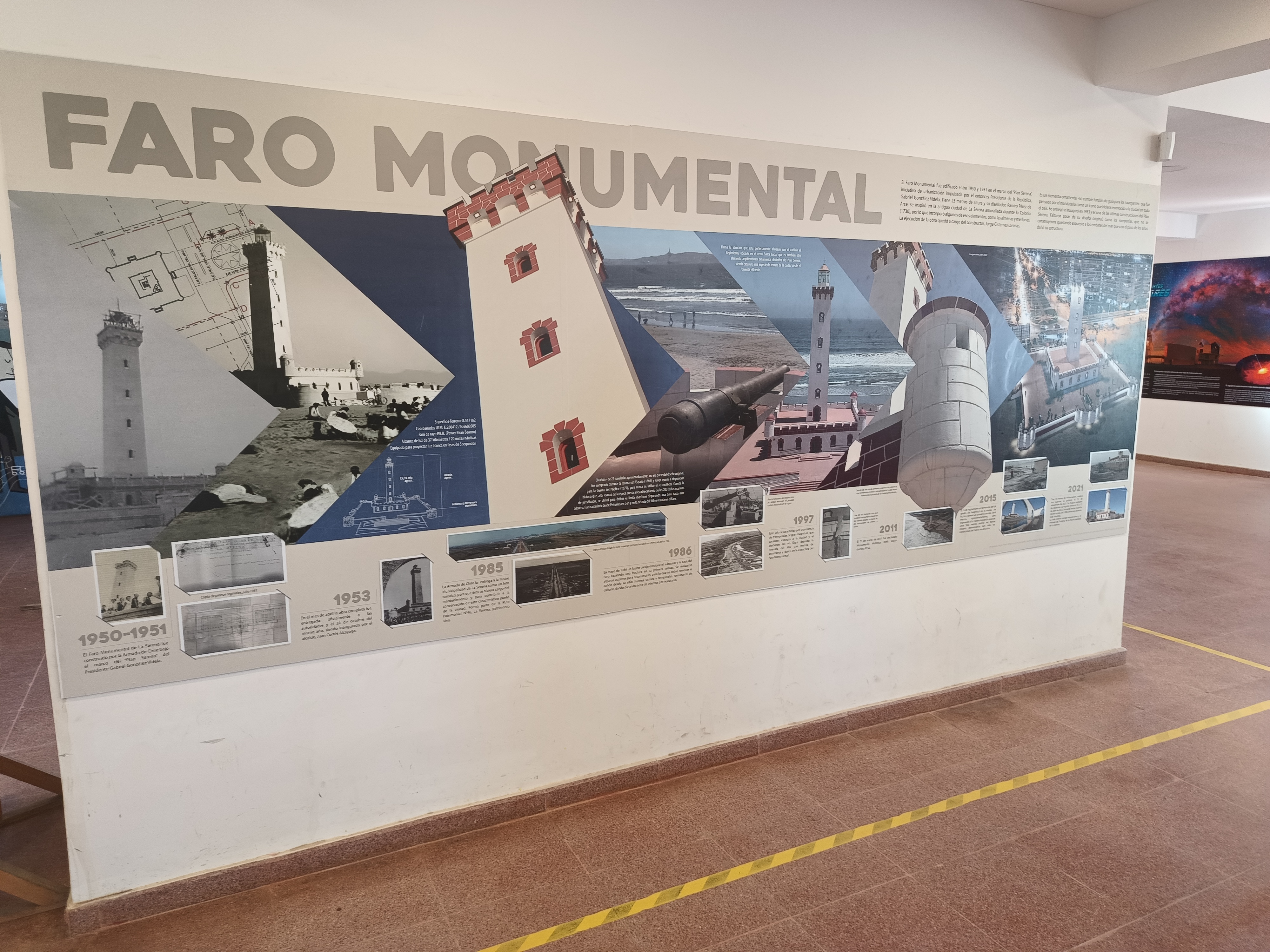
In the early 1950s, President Gabriel González Videla promoted the Plan Serena, an ambitious urban renewal to give La Serena a coherent neocolonial look. In that context, the Chilean Navy commissioned engineer Jorge Cisternas Larenas with a lighthouse that would serve not only as a beacon but also as a civic monument. Built between 1950 and 1951, it was officially inaugurated on 24 October 1953 and handed to the city on 7 November 1985 for tourist and cultural use.

2

Why a fortress shape?

The lighthouse was raised by the sea, at the point where Avenida del Mar receives those arriving in La Serena by the coast. Its neocolonial design, inspired by Spanish colonial fortifications, sought to recreate the historic identity of the oldest city of republican Chile, founded in 1544. Thus a modern signalling tower is dressed with battlements, stone walls and a fortress silhouette: 20th-century engineering with 16th-century scenery.

3

Local Stories

Locals say that on foggy nights the lighthouse's beam converses with the fishing boats entering the port of Coquimbo and with sailors seeking the mouth of the Elqui River. Another popular tale says the lighthouse keeps the spirit of sereneño sailors and that, from its viewpoint, the city bids farewell to the sun each afternoon over the Pacific. Fact or folklore, the lighthouse is where La Serena meets its sea.

4

A Symbol of La Serena

Today the Faro Monumental, alongside the neocolonial Cathedral and the Plaza de Armas, is the most recognisable face of La Serena. Its battlemented silhouette presides over Avenida del Mar and appears on postcards, souvenirs and in the memory of those who grew up watching the Pacific from its feet. Declared a National Monument in 2010, it is also the only lighthouse in Chile to hold that distinction while functioning at the same time as a public viewpoint.

Visitor Reviews

Visitor feedback is available on Google Maps (external link).

C
Camila R.
March 2026

You can't come to La Serena without climbing the lighthouse. The views over the Pacific and the Elqui River mouth are incredible, and the neocolonial architecture gives it a unique touch.

D
Diego M.
February 2026

Very pretty and well kept. We climbed to the viewpoint in the afternoon; go early because it gets busy in season. The craft fair at the base is fun.

F
Francisca L.
January 2026

I loved the Plan Serena history explained in the small museum. It's a family-friendly spot with good shade to rest, close to the beach.

T
Tomás G.
December 2025

A city icon. The climb is short and the reward is the panorama of the whole bay. Free or nearly, so it's absolutely worth it.

How to Get Here

Avenida del Mar at Avenida Francisco de Aguirre, La Serena, Coquimbo Region, Chile

Frequently Asked Questions

Practical information on facilities, history and planning your visit to the Faro Monumental de La Serena.

Parking
Avenida del Mar & nearby streets
Restrooms
Grounds, museum & cafés
Fuel / EV
Chargers & petrol stations in La Serena
Accessibility
Ramp & paths to the viewpoint

Transport & Facilities

Is there parking nearby? How much does it cost?

Yes. Along Avenida del Mar and the surrounding streets there is surface parking (paid zones) and a few car parks. In high season (January–February) and on weekends demand is high, so it is best to arrive early or use public transport or a taxi. Rates follow the city's standard tariff; check the meter on site.

Can wheelchairs or strollers get close?

Yes. Access to the grounds and the base of the lighthouse is mostly flat, with ramps and paths that allow approach by wheelchair or stroller. The climb to the upper viewpoint, however, is by stairs, so that part is not wheelchair accessible.

Are there restrooms or food nearby?

The lighthouse grounds usually have facilities and a small museum; in addition, a craft fair operates at the base and there are cafés and restaurants a few steps away along Avenida del Mar. The beach and seafront also have kiosks in season.

History & Trivia

Why does the lighthouse look like a fortress?

Because it was designed within the Plan Serena, the 1950s urban renewal that gave La Serena a unified neocolonial style. Engineer Jorge Cisternas Larenas conceived it as a 'monumental' lighthouse imitating Spanish colonial fortifications: battlements, stone walls and a castle silhouette, blending the function of a beacon with that of a civic landmark.

How tall is it and can you go inside?

The tower is about 28 metres tall and roughly 4 metres in diameter at its base. You can climb to the interior viewpoint to contemplate the Pacific coast, the mouth of the Elqui River and the bay of La Serena; confirm access and cost on site.

Planning & Tickets

Is there an entrance fee?

The grounds, the viewpoint and the small base museum are usually free or of a very low symbolic cost; the craft fair is free. In high season there may be access control. We recommend confirming the current value on arrival.

How long does a visit take?

A typical visit lasts 30–45 minutes: walk the grounds, climb to the viewpoint, read the museum panels and stroll the craft fair. Add a walk along Avenida del Mar and the beach and it easily fills a morning or afternoon.

Can I go in bad weather?

The base and museum are covered spaces and are fine in any weather; however, the climb to the viewpoint is exposed to the Pacific wind and may close in heavy rain or strong wind. On very hot days go early or late to avoid the sun on the stairs.

What to see nearby

After visiting, what else do you recommend nearby?

Close by are the Plaza de Armas and the neocolonial Cathedral of La Serena, the Casa Museo Gabriel González Videla and the Archaeological Museum. On the same Avenida del Mar is the Jardín del Corazón (Japanese garden). A bit further, the Elqui Valley and astronomical observatories, and neighbouring Coquimbo with the Cruz del Tercer Milenio, round out the visit.